Social Impact on Monoclonal Antibodies
 | The Life Changing Opportunities Monoclonal antibodies are a life altering medicine for our society. Breast cancer, lymphoma, leukemia, AIDS, kidney cancers, among other diseases can be treated using the production of monoclonal antibodies. Therapeutic MABs (monoclonal antibodies) are close to approval for immunologic or inflammatory diseases such as asthma, psoriasis, graft versus host disease, uveitis, multiple sclerosis, rheumatoid arthritis, and systemic lupus erythematosus; cancers such as acute and chronic leukemias, lymphomas, and a variety of solid tumors; cardiovascular processes such as stroke and myocardial infarction; and infectious diseases such as HIV, cytomegalovirus, and hepatitis. |
Economic Impact of Monoclonal Antibodies
Money for the Greater Good The most recent monoclonal to reach the shelves is Centocor's ReoPro, in the first five weeks that it was available, Centocor sold $7.9 million worth of ReoPro to the drug's distributor. The monoclonal could gather as much as $50 million in sales its first year. Companies are aiming their monoclonals at cancer, a market worth several billion dollars a year. |  |
Biological drugs are hard to deal with: they are expensive products used to treat rare, certain types of conditions. In 2007, eight of the twenty best-selling biotechnology drugs in the United States are therapeutic monoclonal antibodies. Monoclonal antibodies are fast in demand and has well accommodated with the industrialization of MAbs (monoclonal antibodies) manufacturing.
Challenges Facing Monoclonal Antibodies
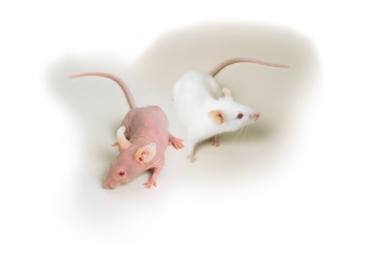 | Human anti-mouse antibodies? A human immune system percieves mouse antibodies as foreign, resulting in the human's body attempting to destroy the mouse's MAbs. This is producing something known as HAMA ("human anti-mouse antibodies"). Not only does it causes the therapeutic antibodies to be quickly eliminated by host, but forms immune complexes that causes damage to the kidneys. If humans were able to produce monoclonal antibodies as easily as a mouse then that would lessen the problem. Sadly, the attempts that were made happen fail and few people want to be immunized in these attempts. |
